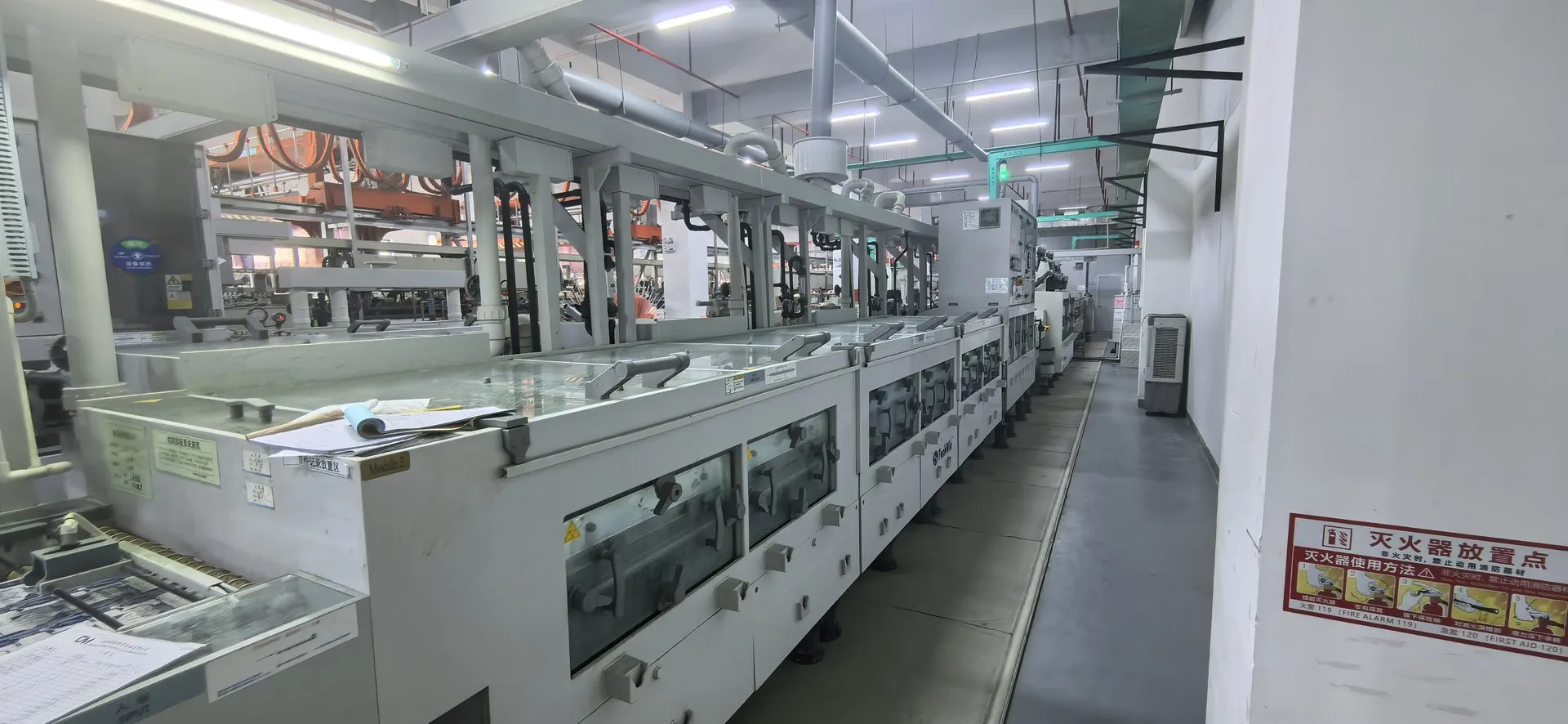

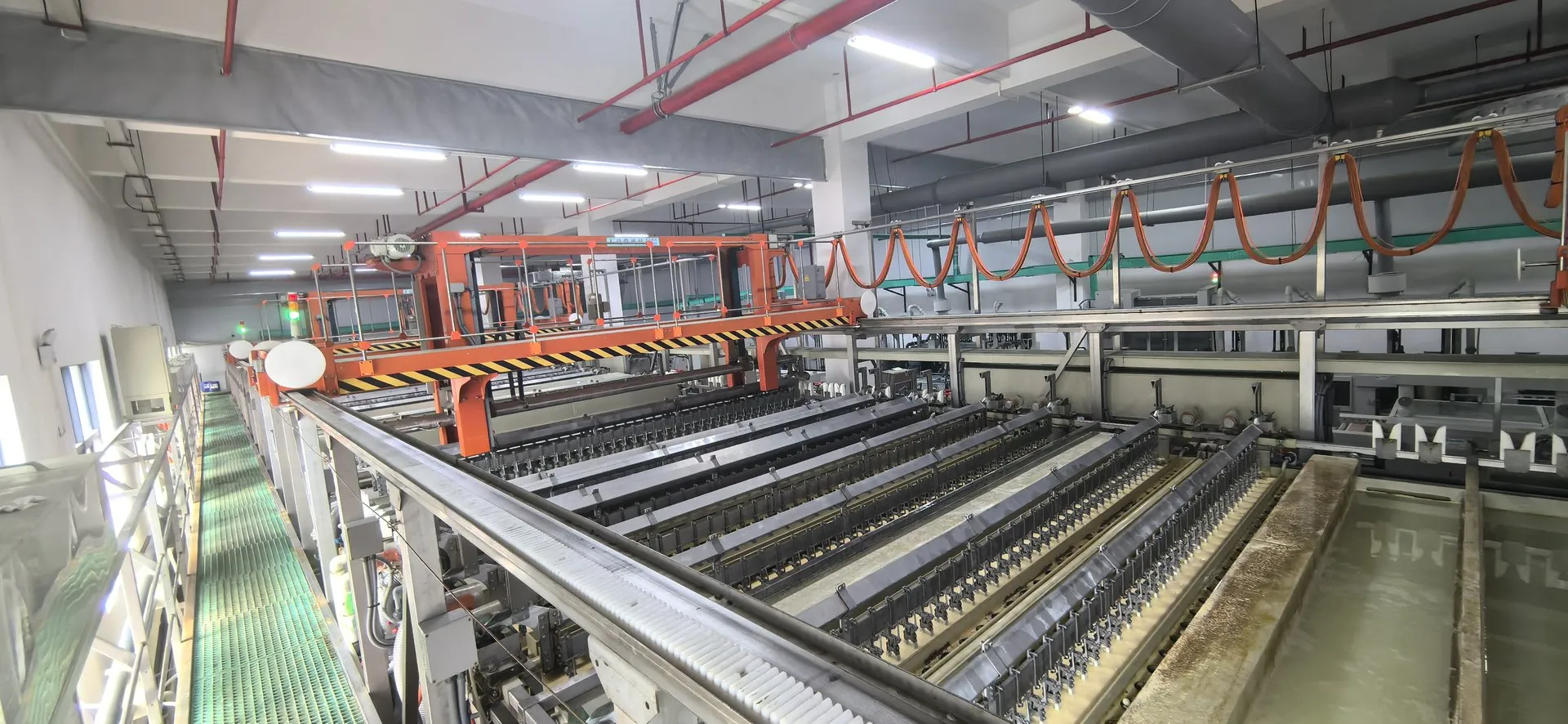
Procédés et capacités de fabrication de PCB
Découvrez les procédés des circuits rigides et rigides-flexibles et les limites, matériaux et contrôles à valider avant production.
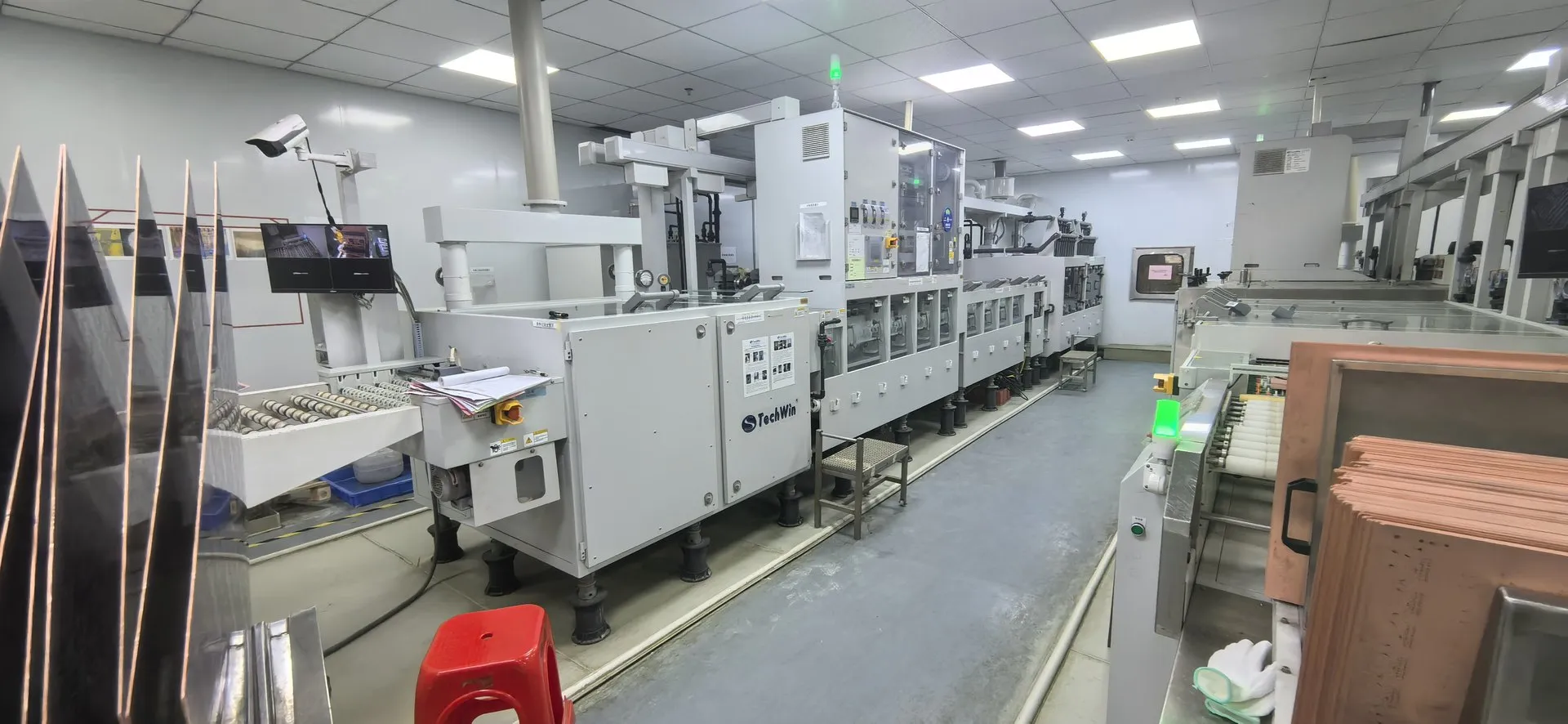
Usines et réseau de fabrication
Our Shenzhen team coordinates PCB production with the Meizhou partner site and other factories selected for the build. Production scope and qualifications are confirmed for the assigned site.
Le partenaire, le mandat, les qualifications et les livrables sont confirmés pour chaque projet.
Flux de fabrication de PCB rigides
The process runs from laminate preparation through electrical test and final inspection.
Découpe
Panneaux stratifiés découpés aux dimensions de travail.
Imagerie de la couche interne
Motifs de couche intérieure imagés et gravés, puis vérifiés par AOI.
Stratification
Noyaux et préimprégnés pressés dans la pile multicouche.
Forage
Perçage mécanique et laser de trous et vias.
Placage
Métallisation des trous et cuivrage.
Imagerie de la couche externe
Motifs de la couche externe imagés, gravés et vérifiés par AOI.
Masque de soudure et légende
Masque de soudure et sérigraphie appliqués.
Finition de surface
ENIG, or dur, étain ou argent à immersion, OSP et autres.
Profilage
Usinage de routage, de coupe en V et de contour.
Test électrique et inspection finale
Test de sonde volante ou de montage, inspection finale et emballage.
Rigid-flex boards bring two constructions together
The rigid-flex process prepares the FR-4 rigid section, flexible copper-clad laminate, coverlay and other lamination materials along separate paths. The flexible circuit is patterned and inspected before the coverlay is applied. The rigid and flexible sections are then combined in the specified order and laminated.
After lamination, the process uses X-ray for target location before subsequent drilling and profiling. The agreed construction determines where to remove material or control routing depth so the flexible section can be released. The board then goes through electrical test, final quality inspection and packing.
A rigid-flex drawing therefore needs more than an overall outline. It should show which layers continue through the flex region, where the coverlay and stiffeners sit, and the boundaries between rigid and flexible sections. These details affect both the build sequence and the points checked on the finished board.
What to confirm for each board family
Use the board family and production stage to identify what engineering needs to check.
| Board family | Engineering review points |
|---|---|
| Circuits flexibles | Confirm the flex material, copper thickness, coverlay and stiffeners. |
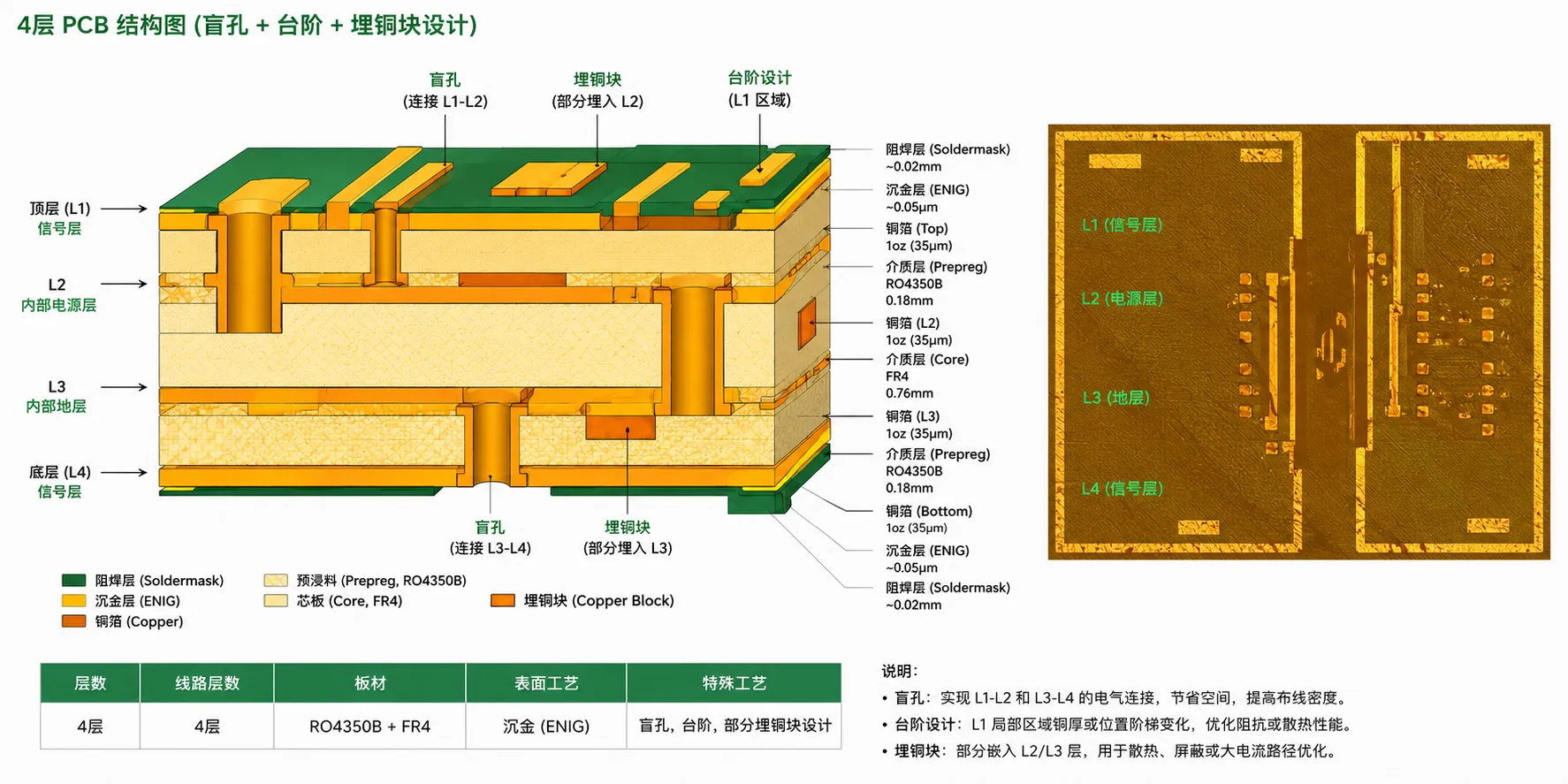
| Conventional rigid boards | Check layer count, finished thickness, trace and space, copper weight, hole size and the required impedance tolerance against the intended construction. |
| Rigid-flex boards | Confirm the rigid and flexible layer arrangement and any air-gap, asymmetric or HDI structure. Review alignment, the coverlay and the flex release process together. |
| High-frequency and high-speed boards | Confirm the material system, hybrid lamination, hole geometry and impedance targets. |