
Aluminum and Copper Core PCBs
For an LED or power module, define the thermal path to the mounting surface before selecting metal base and dielectric.
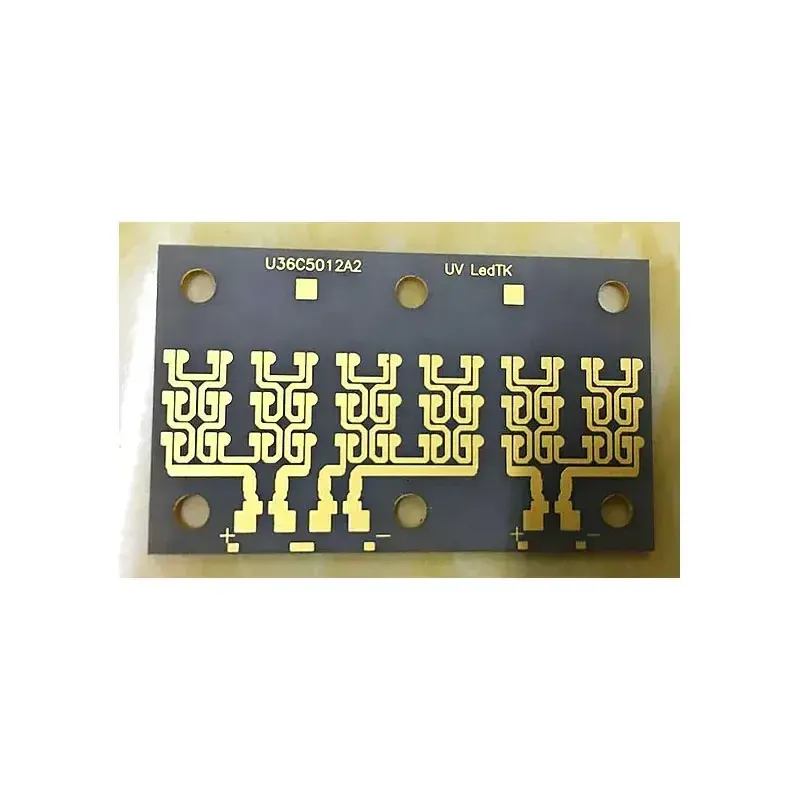
Draw the interface to the heat sink or enclosure
Identify heat sources, base material, mounting holes and areas requiring insulation. Include the dielectric, voltage withstand and outline requirements relevant to your design.
Set acceptance conditions for the finished board
Specify the thermal and electrical checks you need. Assembly interfaces affect heat transfer, so include the intended mounting arrangement in the review.
- Aluminum or copper base selection
- Dielectric options for your thermal needs
- Single or multilayer construction
- Mechanical features and mounting
Thermal values confirmed per material
Metal core boards are supported in prototype and mass production. Maximum size, thermal conductivity and dielectric withstand voltage are confirmed for the selected base and dielectric during review.
Typical applications
LED lighting
Power modules and drivers
Automotive lighting and control
What to send for a PCB review
Start with the details you have — engineering will request anything else needed for the review.
Files and details for a PCB review
- Gerber (RS-274X) or ODB++ data with drill files
- Fabrication drawing with material, thickness and finish
- Stack-up and impedance targets, if any
- Quantity for prototype and for production
- Special requirements such as IPC class, testing or packaging
Technical files stay private
Gerber files, BOMs and drawings are handled privately and shared within your project.
Metal Core PCB FAQs
Aluminum or copper base?
Copper spreads heat better while aluminum is lighter and more economical. We review which suits your design.
Can metal core boards be assembled?
Yes. Assembly requirements are reviewed with the construction.