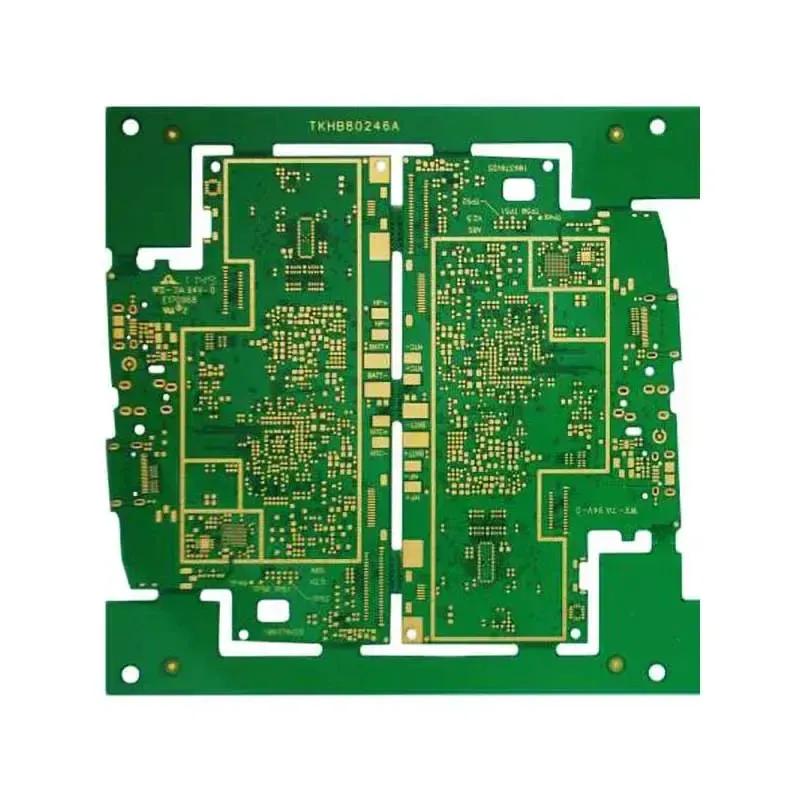

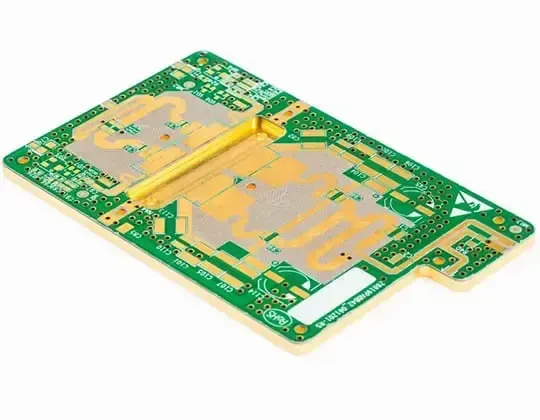
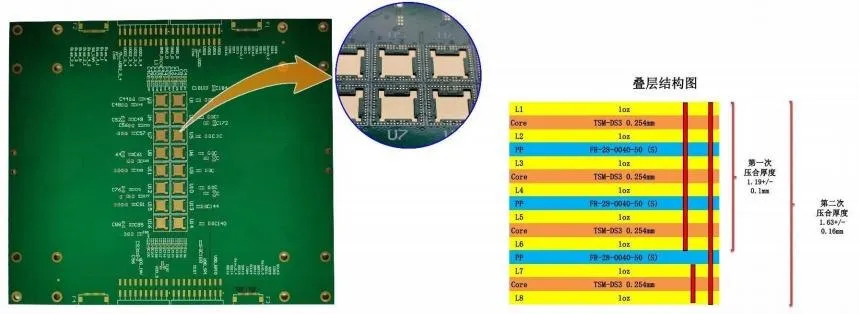
77 GHz radar high-frequency board
- Layers
- 18
- Materials
- TSM-DS3 + FR28 prepreg + S1000-2M, hybrid lamination
- Finish
- Immersion gold (ENIG)
- Special process
- Blind and buried vias, controlled impedance and 5 back-drill groups
ShinePCB provides high-performance PCB manufacturing and material selection and sourcing through its factory and manufacturing network.
Values are confirmed per order during engineering review.
Rigid, flexible and specialty boards reviewed by engineering before every quotation.
For RF boards, specify operating frequency, laminate and copper foil. For high-speed boards, include loss targets, reference planes and back-drill requirements. HDI and high-layer-count builds need layer connections and drill spans to define lamination and inspection. State the required grade and any approved alternatives.
Send the stack-up, Gerber or ODB++ files, drill data and fabrication drawing to review laminate, impedance and inspection requirements for your board.
Learn moreSelect low-loss laminates for the frequency and loss budget of a digital link. For RF, check operating frequency, Dk stability and copper foil. Thick boards and repeated reflow also require a thermal review.
Learn moreReview PCB fabrication files, stack-up and impedance before production. Confirm sourcing, assembly and inspection requirements for the parts of the project that need them.
Learn moreQuote SMT, THT or mixed assembly with your BOM, placement data and test requirements. Specify supplied parts, sourcing and any bare PCB scope.
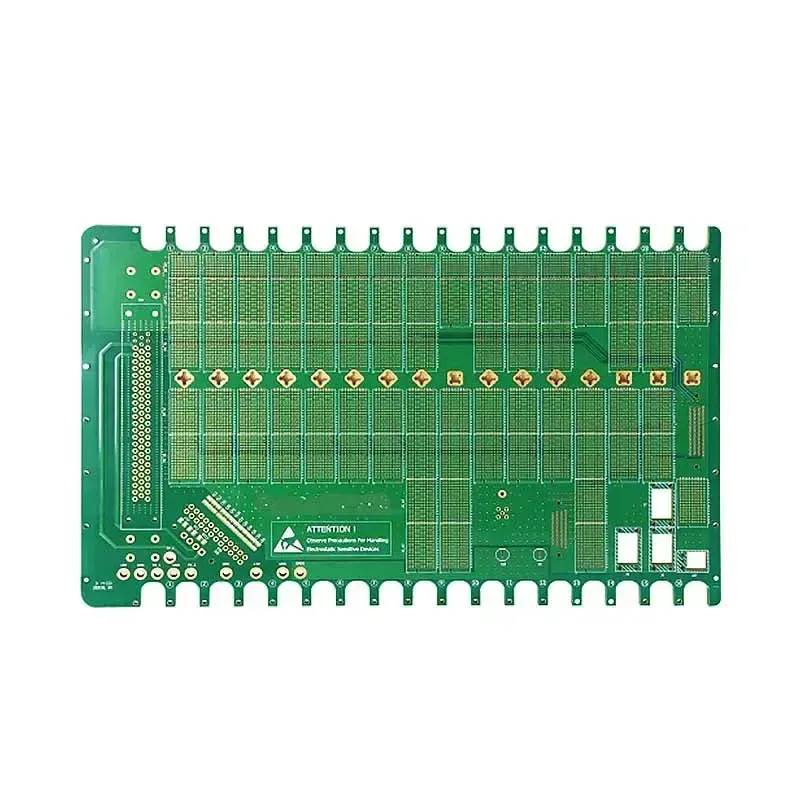
Learn moreIn one archived multilayer PCB package, the holes spanning layers 1–3 and layers 16–18 were specified in separate drill charts. Review each drill span against the stack-up, then check the signal reference planes in the impedance schedule. The quote can then identify the scope of each drill group.
For SMT and through-hole parts on the same board, we review component placement, soldering access and test requirements together.
If a material substitution changes dielectric thickness, recheck trace width and spacing for the affected impedance targets. Agree on the revised stack-up and how impedance will be verified.
Confirm the PCB manufacturing qualifications and inspection documents for the assigned facility and order scope.
Submit Gerber files, BOMs and drawings through the private upload on the quote form for project review.
ShinePCB clarified the customer's board requirements, confirmed them with engineering and issued a quote. The customer then placed the order.
For a high-layer-count, HDI or rigid-flex board, send your stack-up and drill data together. We review the layer structure, materials and inspection requirements before quoting.
Prototype and production limits are reviewed separately. The agreed specification and inspection scope are recorded for the order.
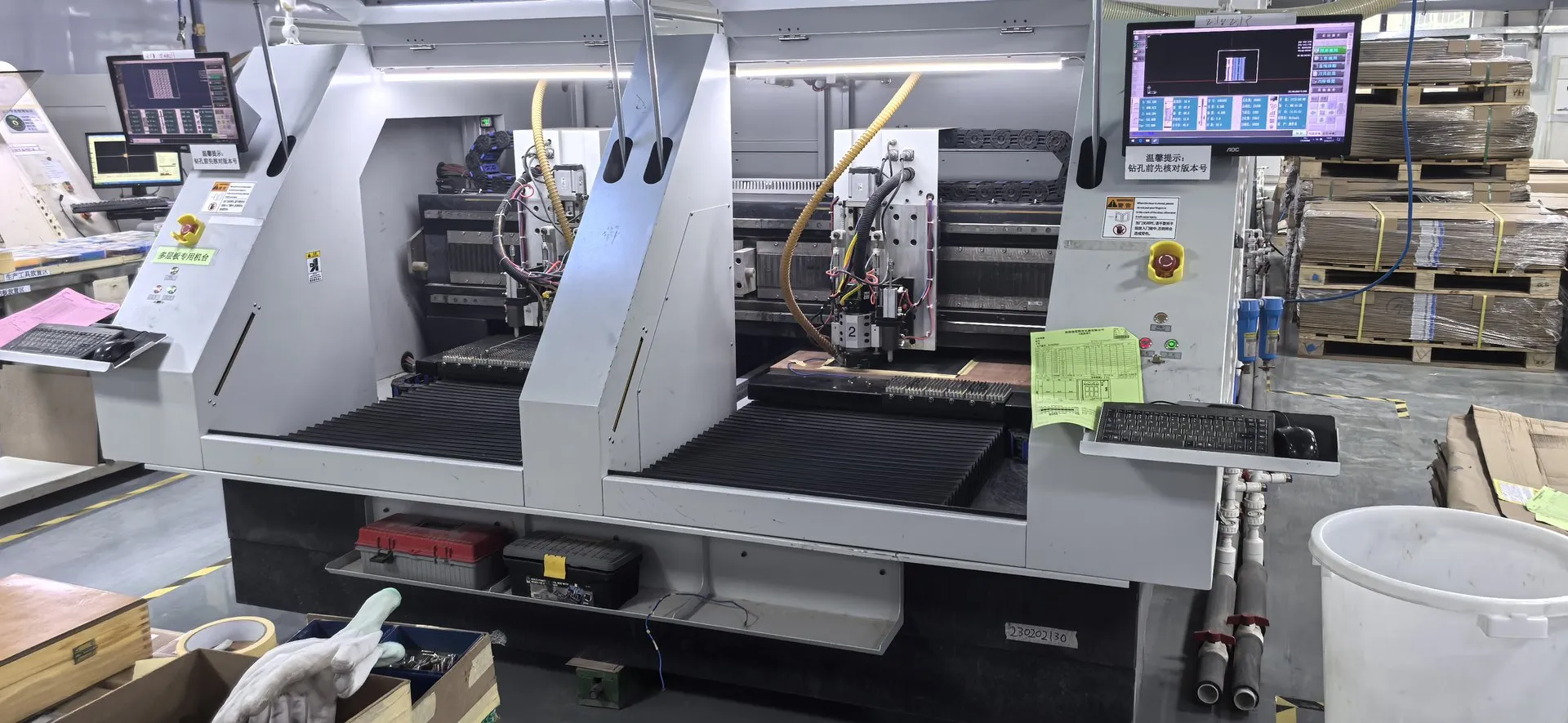
Select low-loss laminates for the frequency and loss budget of a digital link. For RF, check operating frequency, Dk stability and copper foil. Thick boards and repeated reflow also require a thermal review.
Specify core or prepreg construction, thickness, foil, quantity and delivery needs. Review impedance, loss, lamination and thermal requirements before approving an alternate grade.
Each qualification applies to the entity, production site and scope named in its document. We confirm which documents apply to your order.
Quality details








 Sytech
 Panasonic
 Rogers
 Isola
 Taconic
 ITEQ
 Kingboard
 China Jushi
 University of Electronic Science and Technology of China
 Shenzhen Polytechnic University
 Shandong University
 Shenzhen University
 Inner Mongolia University
 University of Macau
 Tsinghua University
 MEMSensing
 HGZN
 Transcom
 QuantumCTek
 SCIYON
 PANDA
 CRSC
 BOE
 Bojay

Our Shenzhen team reviews project files and matches board type, materials, process, volume and qualifications to the appropriate factory. The quotation identifies the production scope, inspection requirements and records supplied with the order.
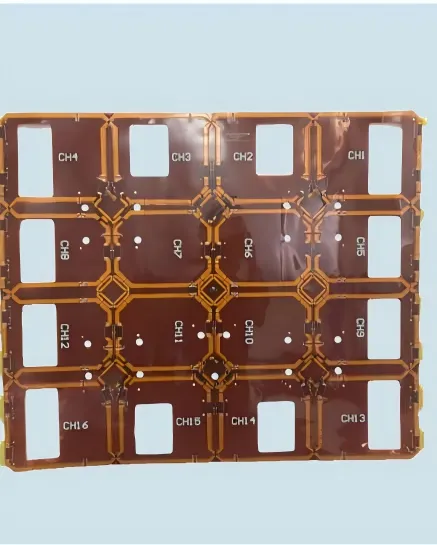
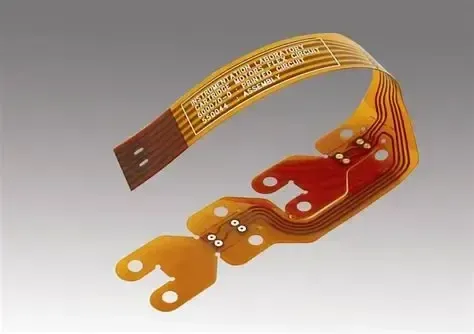
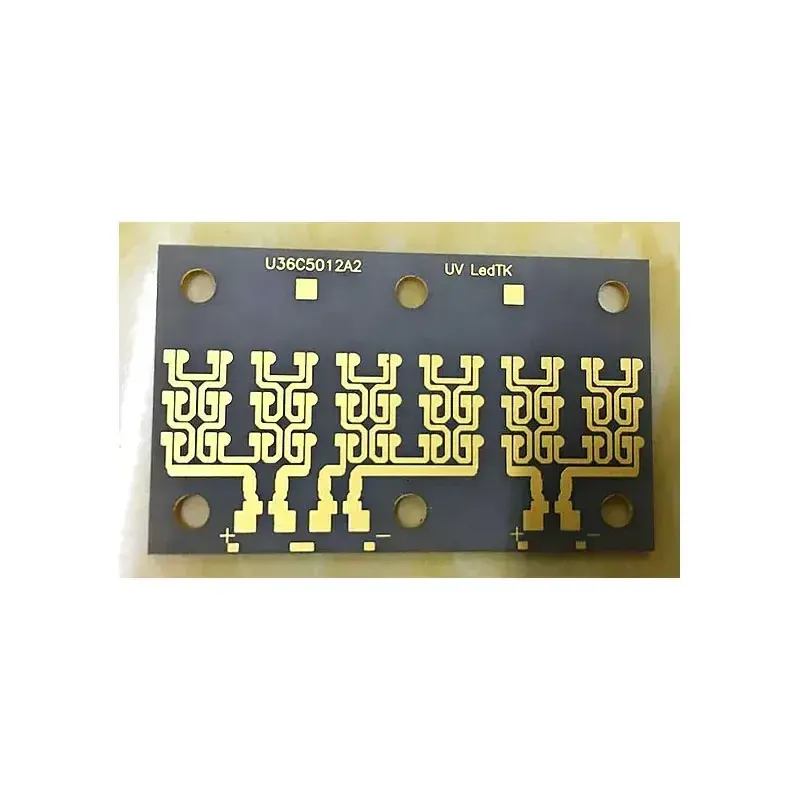
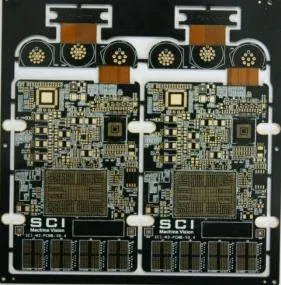
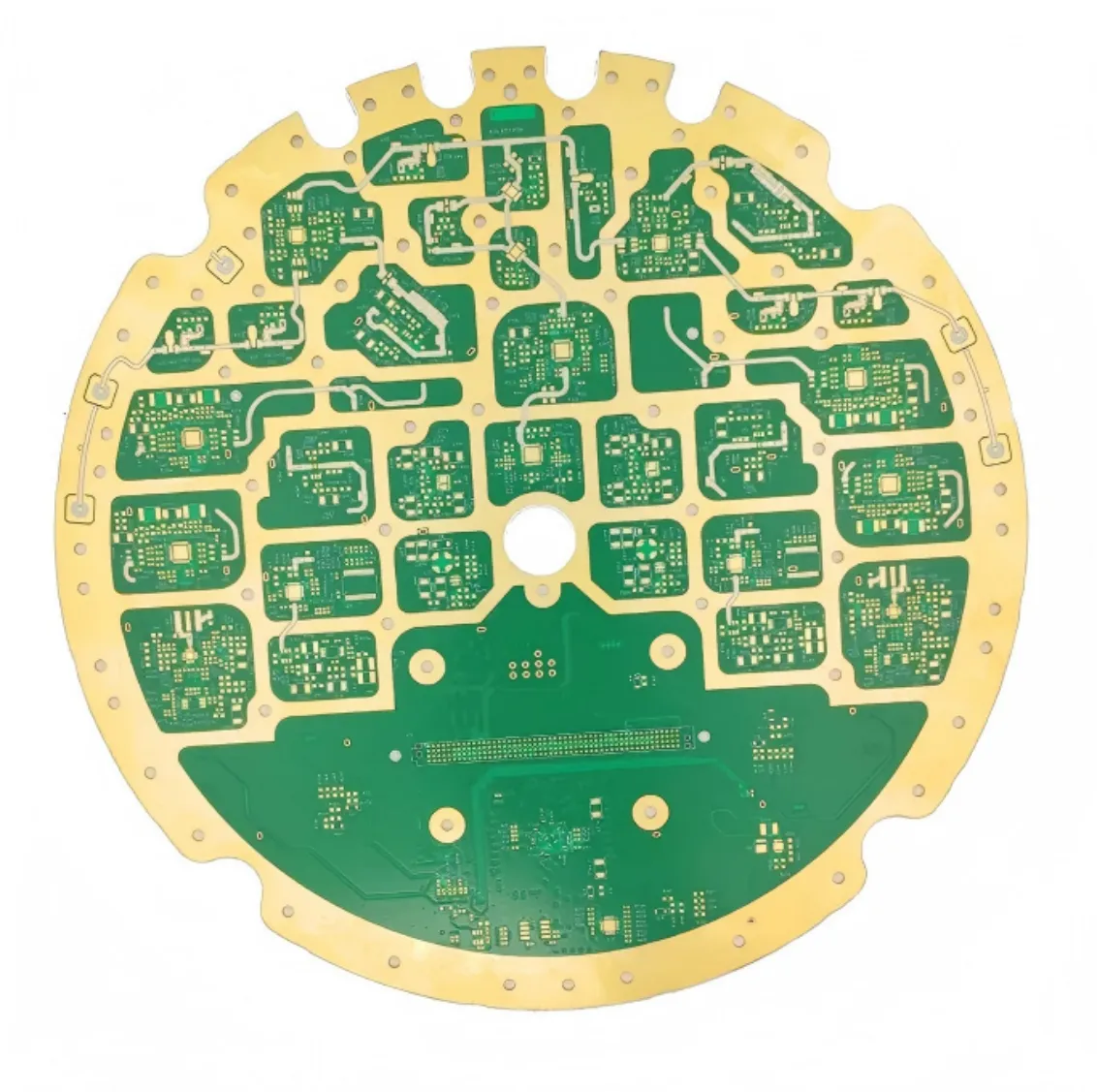
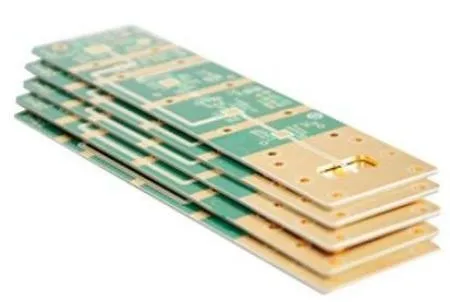
These board examples show hybrid stack-ups, grouped back drilling and rigid-flex constructions.
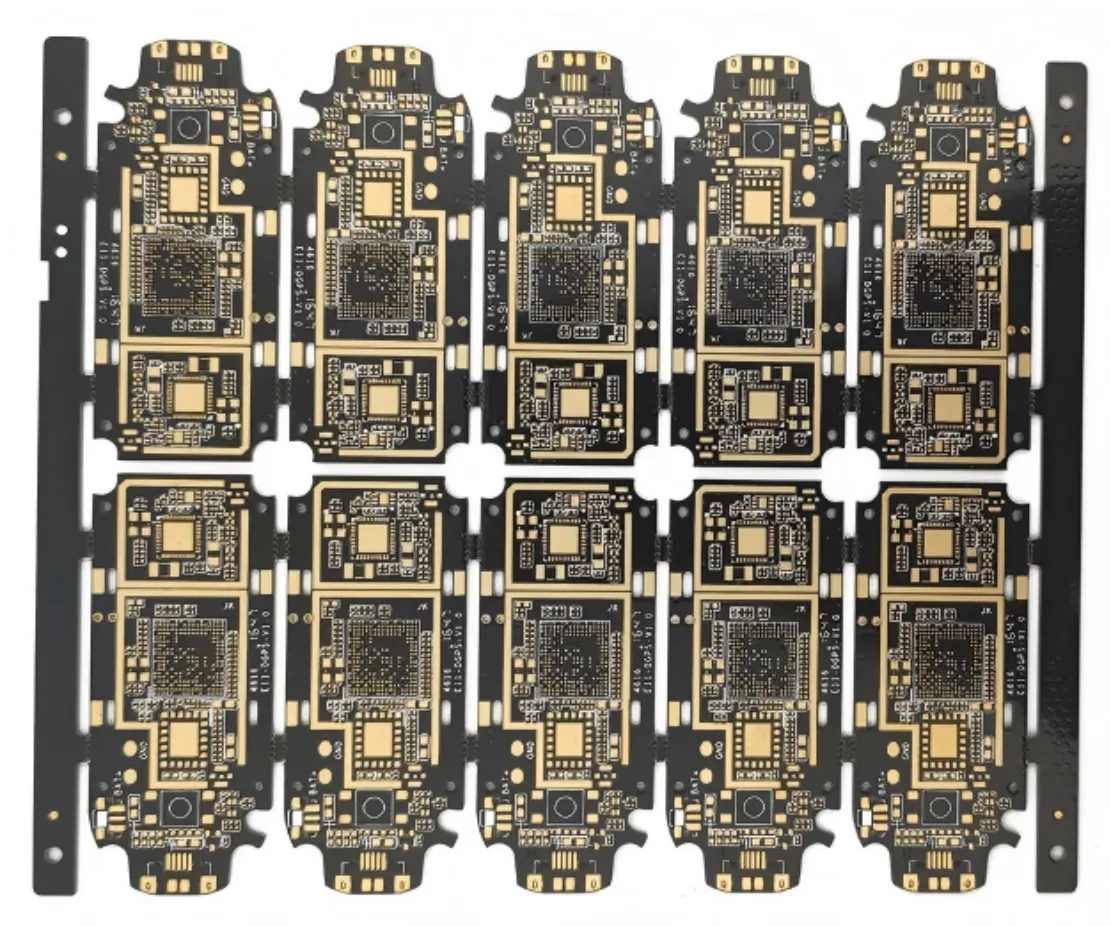
Explore the materials, processes and checks commonly requested in each application.

Automotive / radar

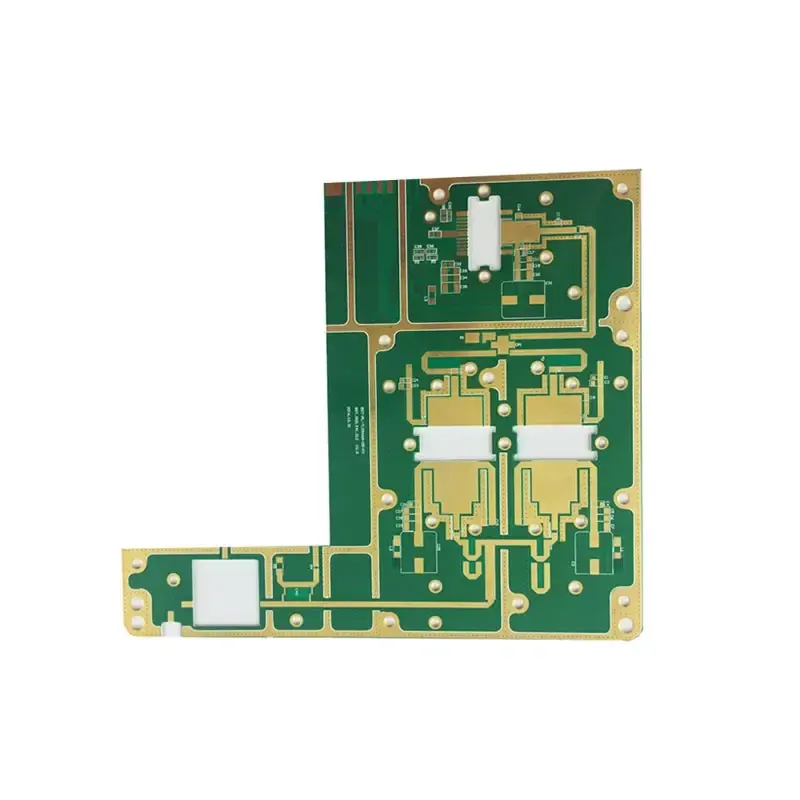
RF / communication
Industrial electronics

ISO 13485 via manufacturing network

Electronics

High-speed / high-layer

RF / microwave

Typical board requirements by application
Confirm the laminate, fabrication process and inspection scope before releasing the board for production.