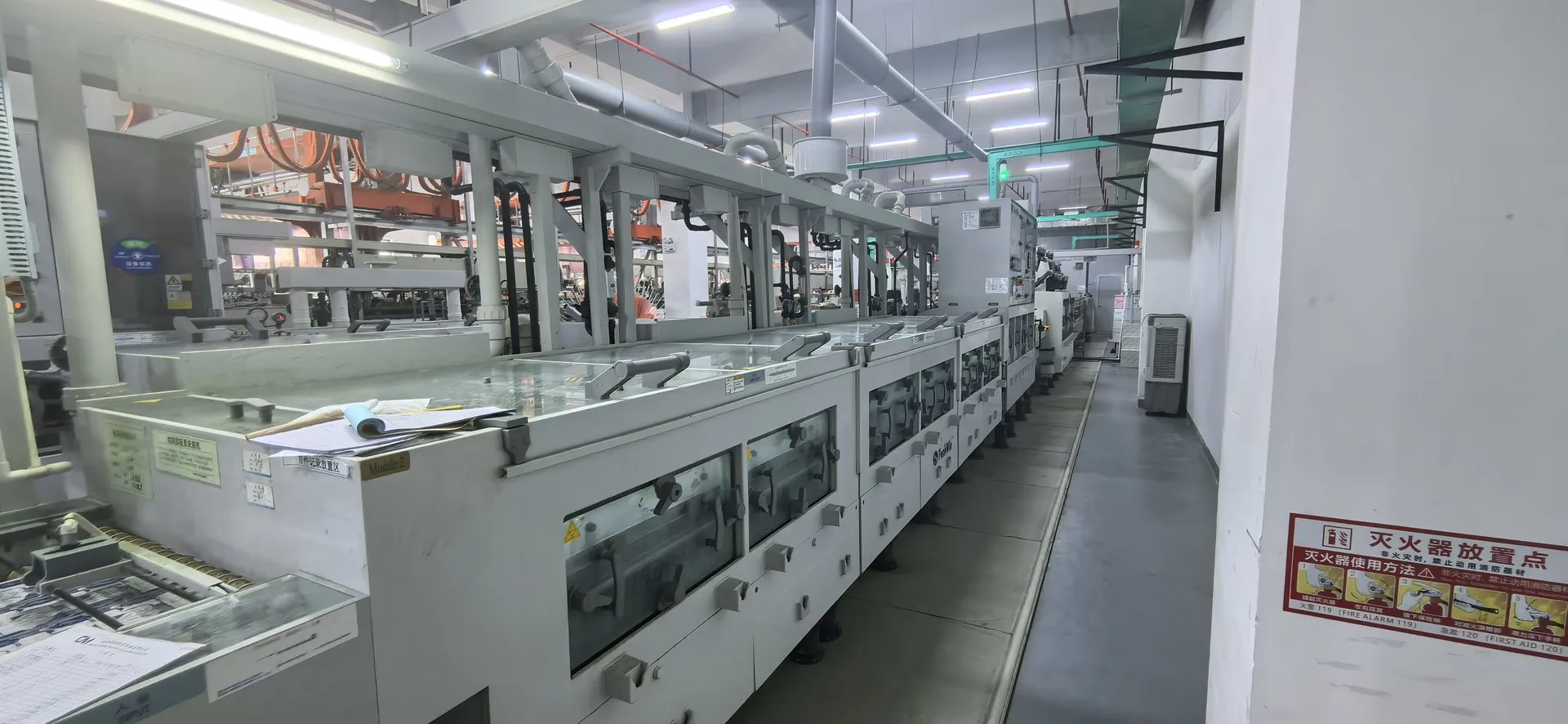

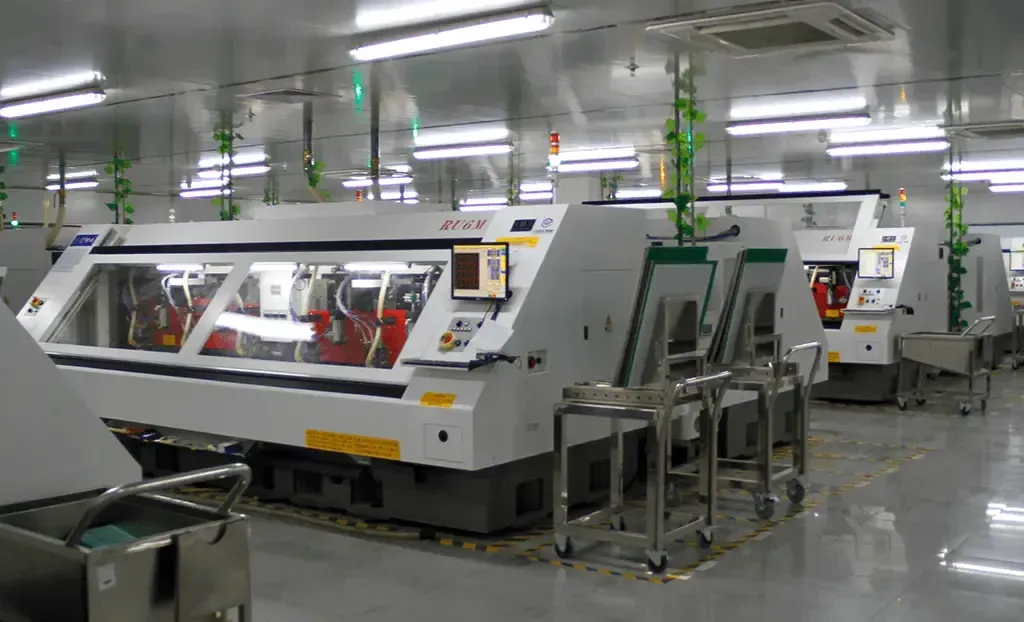
Sequential Lamination
Multiple lamination cycles for complex via structures and hybrid constructions.
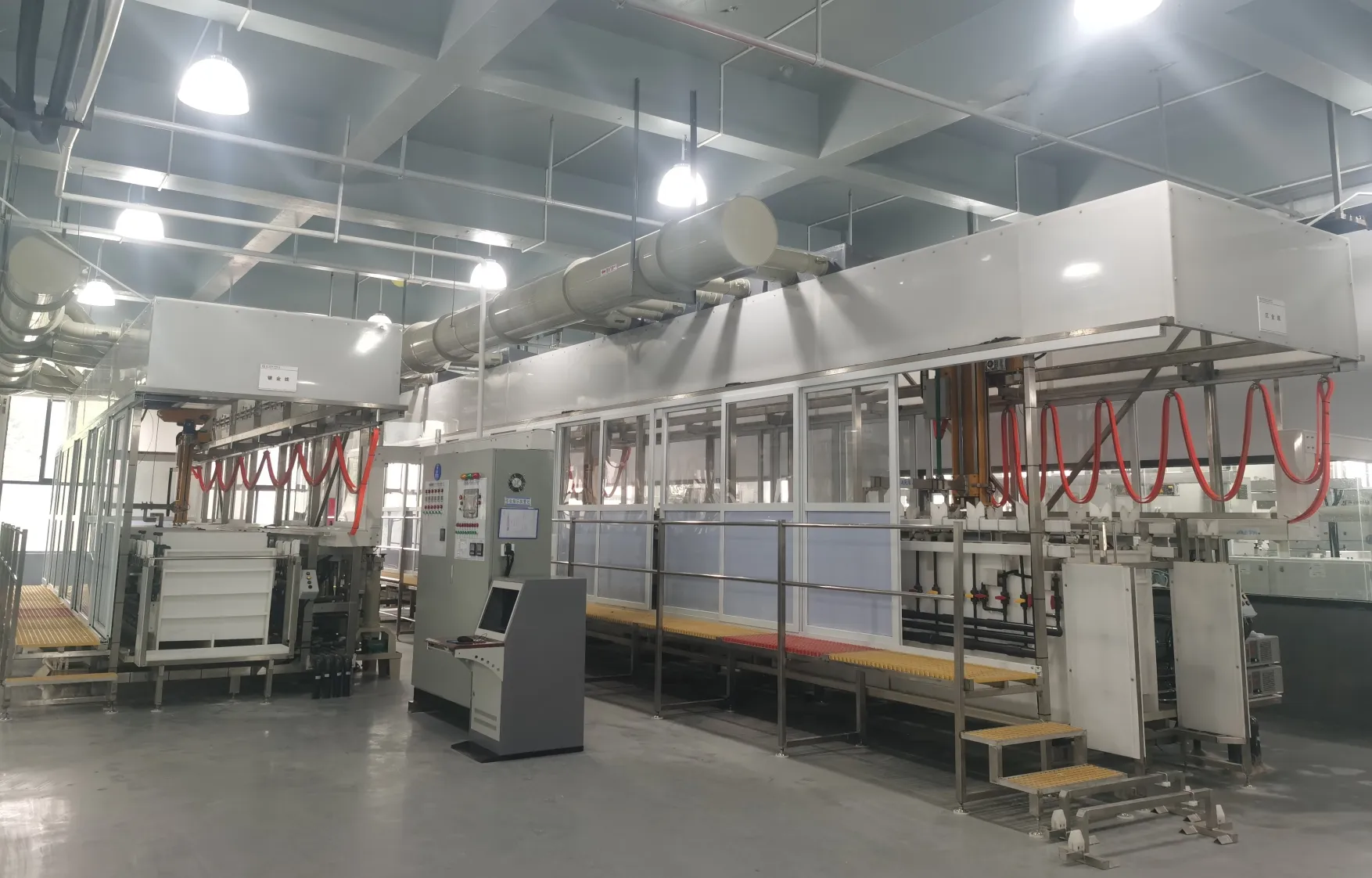
Sequential Lamination with ShinePCB
Sequential lamination builds a board in stages so that blind, buried and stacked vias can be formed. We review the build sequence, material compatibility and feasibility with engineering.
- Build sequence
- Material compatibility across cycles
- Via structure per cycle
- Registration considerations
Capability and certificates
| Positioning | Advanced Stack-up | |
|---|---|---|
| Standard / prototype | Advanced / mass production | |
| Sequential Lamination | Supported | Supported |
Related certificates
- ISO 9001:2015133628
- UL 796E466435
- IECQ QC 080000IECQ-H NQAGB 25.0038
Source: ShinePCB capability workbook, navigation overview. Values are confirmed against your files and the assigned facility during engineering review; certificates are available on request.
Lamination processes
| Parameter | Prototype | Mass production |
|---|---|---|
| Sequential lamination | Supported | Supported |
| Local hybrid lamination | Supported | Supported |
| N+N structure | Supported | Supported |
| High-frequency / high-speed — Hybrid lamination | PTFE + glass ceramic + FR-4 | PTFE + glass ceramic + FR-4 |
| High-frequency / high-speed — Layer registration | 2 mil | 3 mil |
| Rigid — HDI level | 9th order | 5th order |
| Rigid — Layer registration accuracy | 0.8 mil | 1 mil |
Source: ShinePCB capability workbook. Prototype and mass-production values are listed separately and are not interchangeable. Every value is confirmed against your files, the selected material and the assigned facility during engineering review.
Typical applications
HDI designs
Hybrid RF stack-ups
Complex computing boards
From prototype to production
Every order follows the same controlled sequence. Prototype and production requirements are reviewed separately.
File review
Gerber or ODB++, drill data, drawing and quantities are checked for completeness.
Engineering questions
Open points on manufacturability, materials or special processes are sent before quotation.
Stack-up and material
Construction, laminate and finish are confirmed with you and written into the order.
Fabrication
The order is released to the facility whose process and qualification fit the requirements.
Inspection and test
Inspection and electrical test follow the methods agreed for your order.
Packing and delivery
Boards are packed and shipped under the confirmed delivery terms.
What to send for a PCB review
Start with the details you have — engineering will request anything else needed for the review.
Files and details for a PCB review
- Gerber (RS-274X) or ODB++ data with drill files
- Fabrication drawing with material, thickness and finish
- Stack-up and impedance targets, if any
- Quantity for prototype and for production
- Special requirements such as IPC class, testing or packaging
Technical files stay private
Customer Gerber, BOM and design data are managed under an ISO/IEC 27001 information security system and shared only within your project.
Sequential Lamination FAQs
When is sequential lamination needed?
When via structures cannot be formed in a single press cycle. Engineering confirms this during review.
Does it affect schedule?
Additional cycles add time, which is reflected in the quotation.