
Dutch startup Axelera AI has launched its second-generation Europa processor and announced multiple supply contracts for European AI-factory projects. Its processors can also be integrated into Dell and Supermicro systems, while more than 600 customers are already using Axelera hardware.

Europe’s AI hardware ecosystem is starting to move from chips into real AI factories.
Dutch startup Axelera AI has launched its second-generation Europa processor and announced multiple supply contracts for European AI-factory projects.
Its processors can also be integrated into Dell and Supermicro systems, while more than 600 customers are already using Axelera hardware.
For the PCB industry, this is an interesting transition.
AI hardware development increasingly looks like:
Custom silicon → accelerator board → server → rack → AI factory.
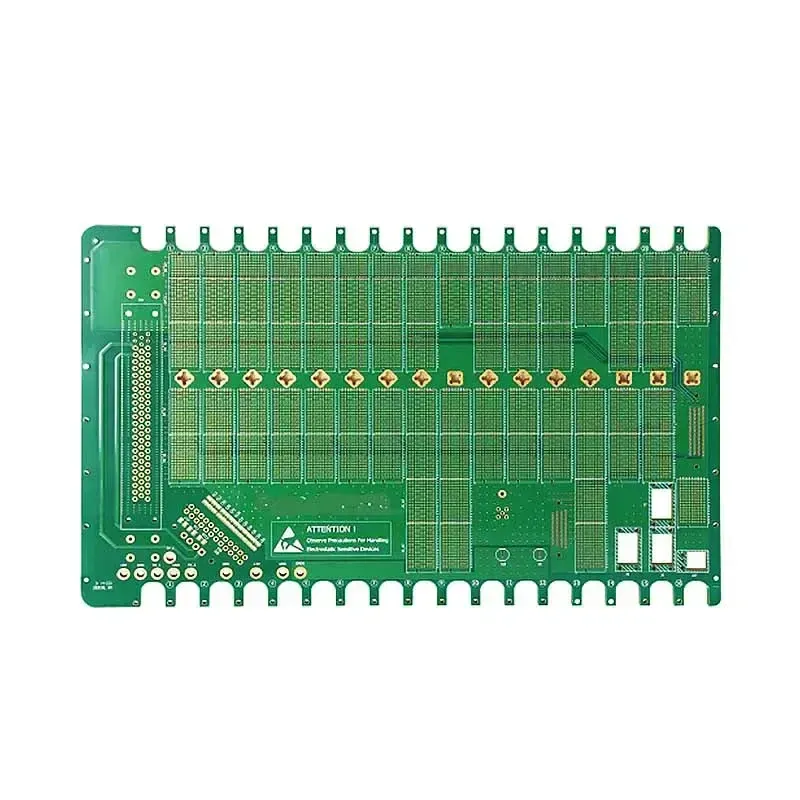
Each step introduces another set of engineering requirements:
• High-current power delivery
• High-speed PCIe and networking
• Low-loss PCB materials
• Thermal management
• Dense multilayer layouts
• Validation and test hardware
• Repeatable production
The growth of alternative AI processors also means we should expect more custom board architectures—not fewer.
At ShinePCB, we support advanced hardware teams from material and stack-up review through PCB fabrication, assembly and production.
Originally published on ShinePCB’s LinkedIn company page: 2026-09-16.
ShinePCB LinkedIn · 2026-09-16 ↗
← Regional News