
Artificial Intelligence is no longer just a software revolution—it's driving fundamental changes in hardware architecture, and PCB technology is evolving alongside it. As AI servers and accelerators continue to increase in computing density, PCB design and manufacturing are facing new technical…

How AI Computing Is Reshaping PCB Technology
Artificial Intelligence is no longer just a software revolution—it's driving fundamental changes in hardware architecture, and PCB technology is evolving alongside it.
As AI servers and accelerators continue to increase in computing density, PCB design and manufacturing are facing new technical challenges.
Here are some of the most significant trends:
① Higher Layer Counts
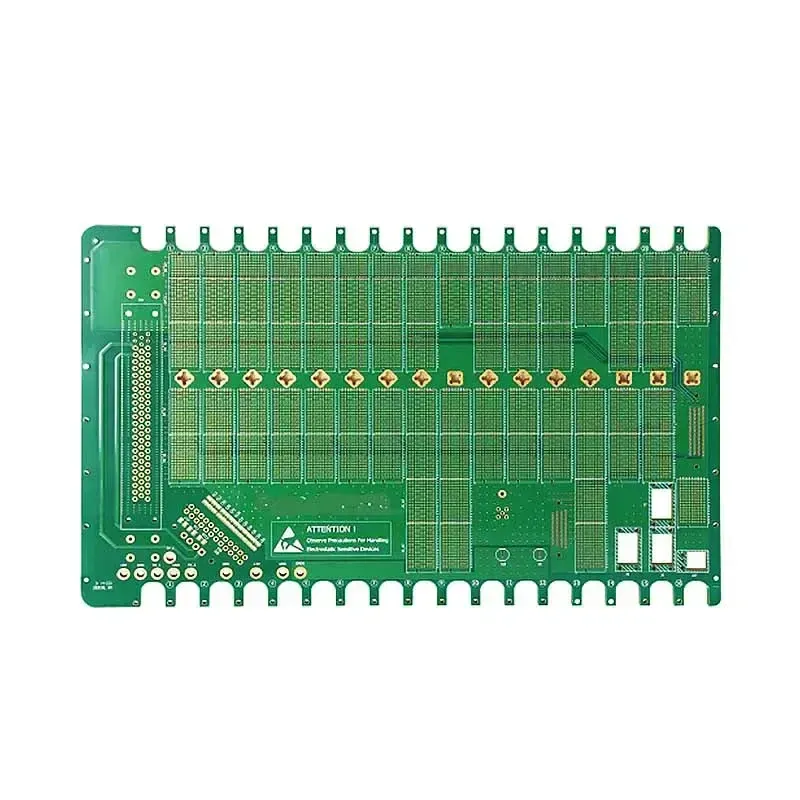
Modern AI computing platforms often require complex multilayer PCBs to support high-speed signal routing, dense component placement, and increased interconnect density.
② Faster Signal Speeds
As data rates continue to rise, maintaining signal integrity becomes increasingly critical. Controlled impedance, optimized stack-up design, and careful routing strategies are now essential rather than optional.
③ Better Thermal Management
High-performance processors generate substantial heat. PCB designers must consider thermal vias, copper distribution, material selection, and board architecture to improve heat dissipation and long-term reliability.
④ Low-Loss Materials
AI hardware frequently operates at very high frequencies, making dielectric loss an important consideration. Selecting suitable low-loss laminate materials helps preserve signal quality across high-speed channels.
⑤ Manufacturing Precision
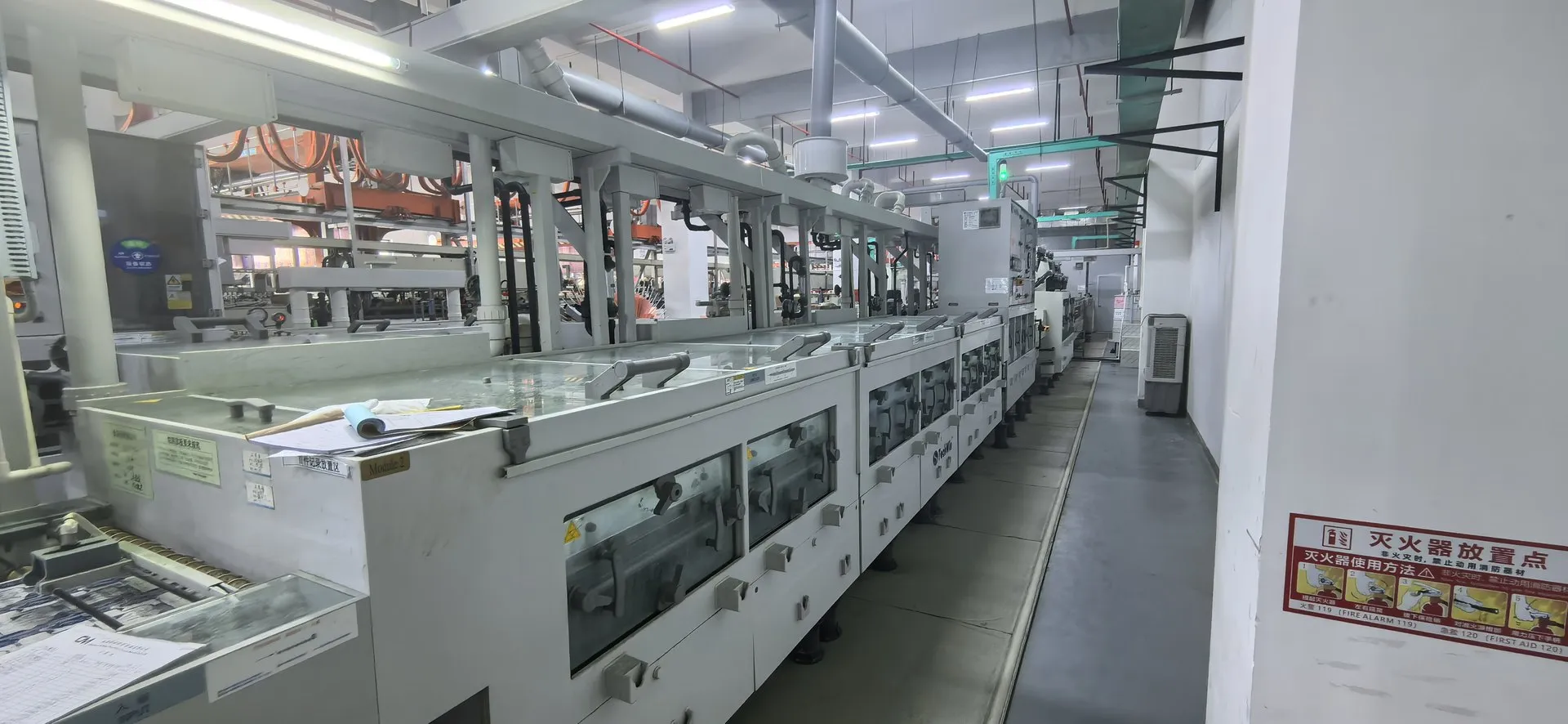
As line widths, spacing, and via structures become more demanding, manufacturing consistency plays an increasingly important role in ensuring electrical performance and production yield.
AI computing is raising the technical requirements for PCB design, materials, and manufacturing processes. It is no longer simply about increasing board complexity—it's about achieving higher reliability, better signal performance, and greater manufacturing precision.
As AI hardware continues to evolve, PCB technology will remain one of the key enablers behind next-generation computing.
What PCB technology do you think will have the biggest impact on future AI systems?
Originally published on ShinePCB’s LinkedIn company page: 2026-07-23.
ShinePCB LinkedIn · 2026-07-23 ↗
← Engineering News