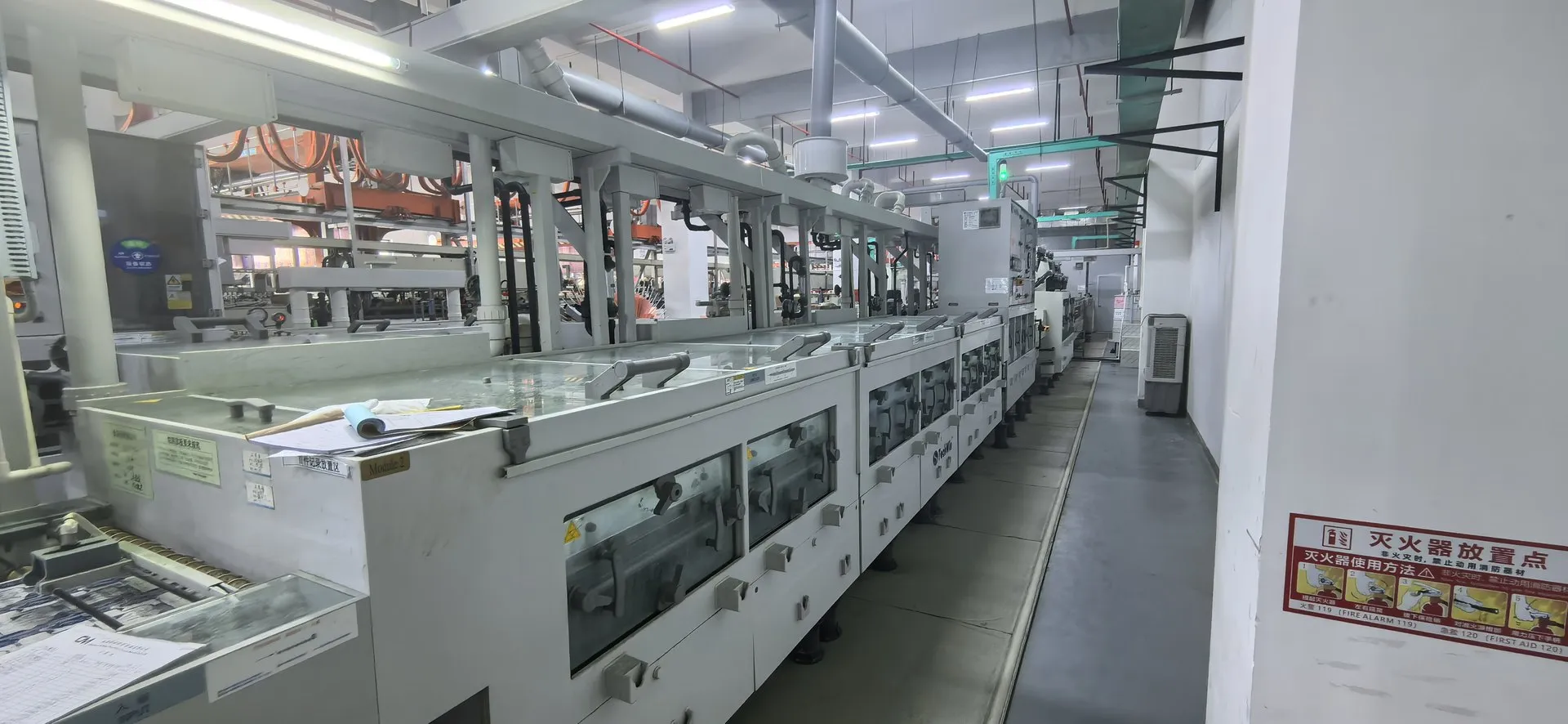

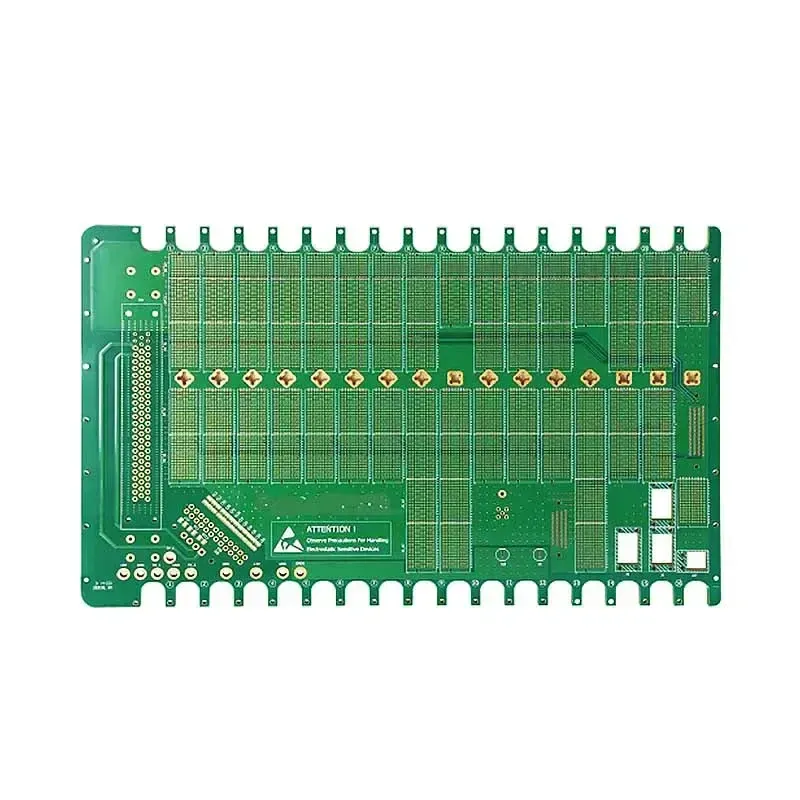
Static folding and repeated bending place different demands on FPC materials, copper construction, bend locations and stiffener placement.

Small spaces. Moving parts. A different challenge for your circuit board.
When a rigid PCB cannot fit the product’s geometry, an FPC—flexible printed circuit—can open up new design possibilities.
From wearable devices and camera modules to compact sensors, flexible circuits help route connections through spaces where conventional boards and cables can be difficult to accommodate.
But flexibility needs careful planning.
An FPC folded into position during assembly has different requirements from one that bends repeatedly in use. Material selection, copper construction, bend location and stiffener placement all deserve attention before production.
At ShinePCB, we help customers turn those application requirements into practical FPC sourcing specifications. Through our manufacturing network in China, we coordinate material options, manufacturability feedback and production planning—from prototypes to small and medium batches.
Our focus is straightforward: a flexible circuit that fits your product and can be manufactured consistently.
Developing a product with limited space or moving connections? Let’s talk about your FPC requirements.
Originally published on ShinePCB’s LinkedIn company page: 2026-10-12.
ShinePCB LinkedIn · 2026-10-12 ↗
← Engineering News