
Verizon and Corning have signed a multi-billion-dollar agreement covering more than 80 million miles of optical fiber through 2032. The agreement will support broadband expansion, but it is also intended to build the high-capacity backbone connecting future AI infrastructure.

AI infrastructure is starting to lock in optical capacity years ahead.
Verizon and Corning have signed a multi-billion-dollar agreement covering more than 80 million miles of optical fiber through 2032.
The agreement will support broadband expansion, but it is also intended to build the high-capacity backbone connecting future AI infrastructure.
That is an important supply-chain signal.
AI networking demand is moving upstream—from switches and transceivers into the physical materials needed to build the network itself.
And although more of the signal is moving into fiber, high-speed electronics remain essential at every transition point.
That means continued demand for:
• 800G and 1.6T optical modules
• High-speed switch hardware
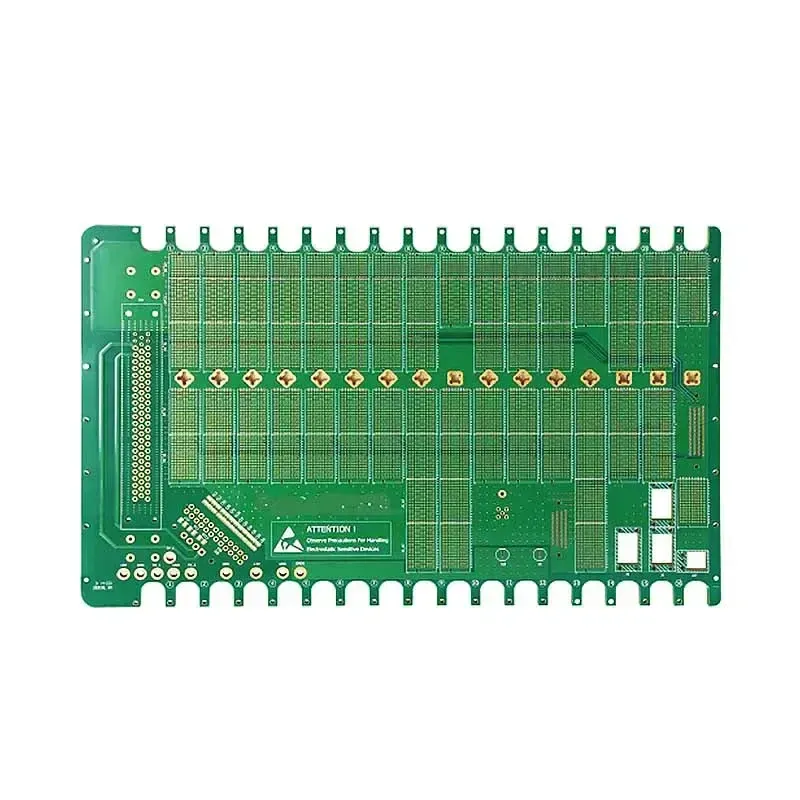
• Low-loss PCB materials
• Controlled impedance
• Optical/electrical interface boards
• Network test equipment
Optics reduce the distance the electrical signal has to travel.
They do not eliminate the need to control that electrical path.
At ShinePCB, we support high-speed and high-frequency PCB projects from material and stack-up review through fabrication and assembly.
Originally published on ShinePCB’s LinkedIn company page: 2026-09-09.
ShinePCB LinkedIn · 2026-09-09 ↗
← Industry News