
Major chipmakers are committing to ASML’s next-generation High-NA EUV technology as they prepare future semiconductor processes for increasingly demanding AI hardware. Samsung and SK hynix are targeting High-NA production from 2028, while Intel says it has already processed more than one million…

The AI hardware investment cycle starts much further upstream than the server rack.
Major chipmakers are committing to ASML’s next-generation High-NA EUV technology as they prepare future semiconductor processes for increasingly demanding AI hardware.
Samsung and SK hynix are targeting High-NA production from 2028, while Intel says it has already processed more than one million wafers using the technology.
For the electronics industry, this is another sign of how much manufacturing complexity sits behind the AI processor.
The chain increasingly looks like:
Semiconductor equipment → advanced process → packaging and HBM → high-speed PCB → power and cooling → AI system.
As processor performance increases, requirements around the package increase too.
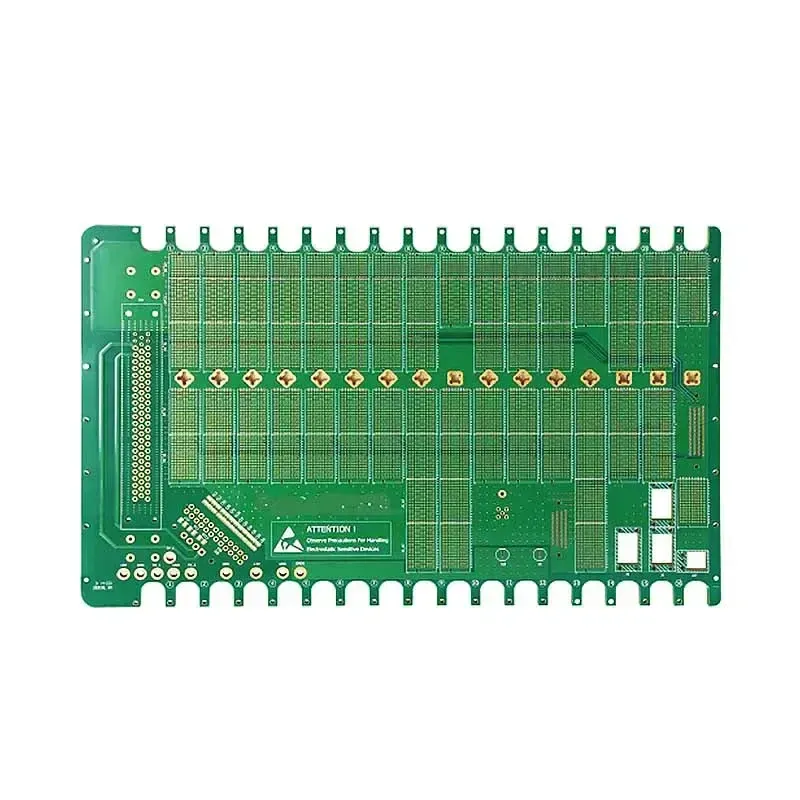
That eventually reaches the board through higher bandwidth, higher current, tighter thermal limits and less tolerance for manufacturing variation.
At ShinePCB, we follow these changes because PCB material and manufacturing decisions ultimately have to support the hardware architecture around the silicon.
Originally published on ShinePCB’s LinkedIn company page: 2026-09-15.
ShinePCB LinkedIn · 2026-09-15 ↗
← Industry News